Oil Tank Removal
Redundant storage, a heating change or space for building work. Plan the contents, disconnection and route out.
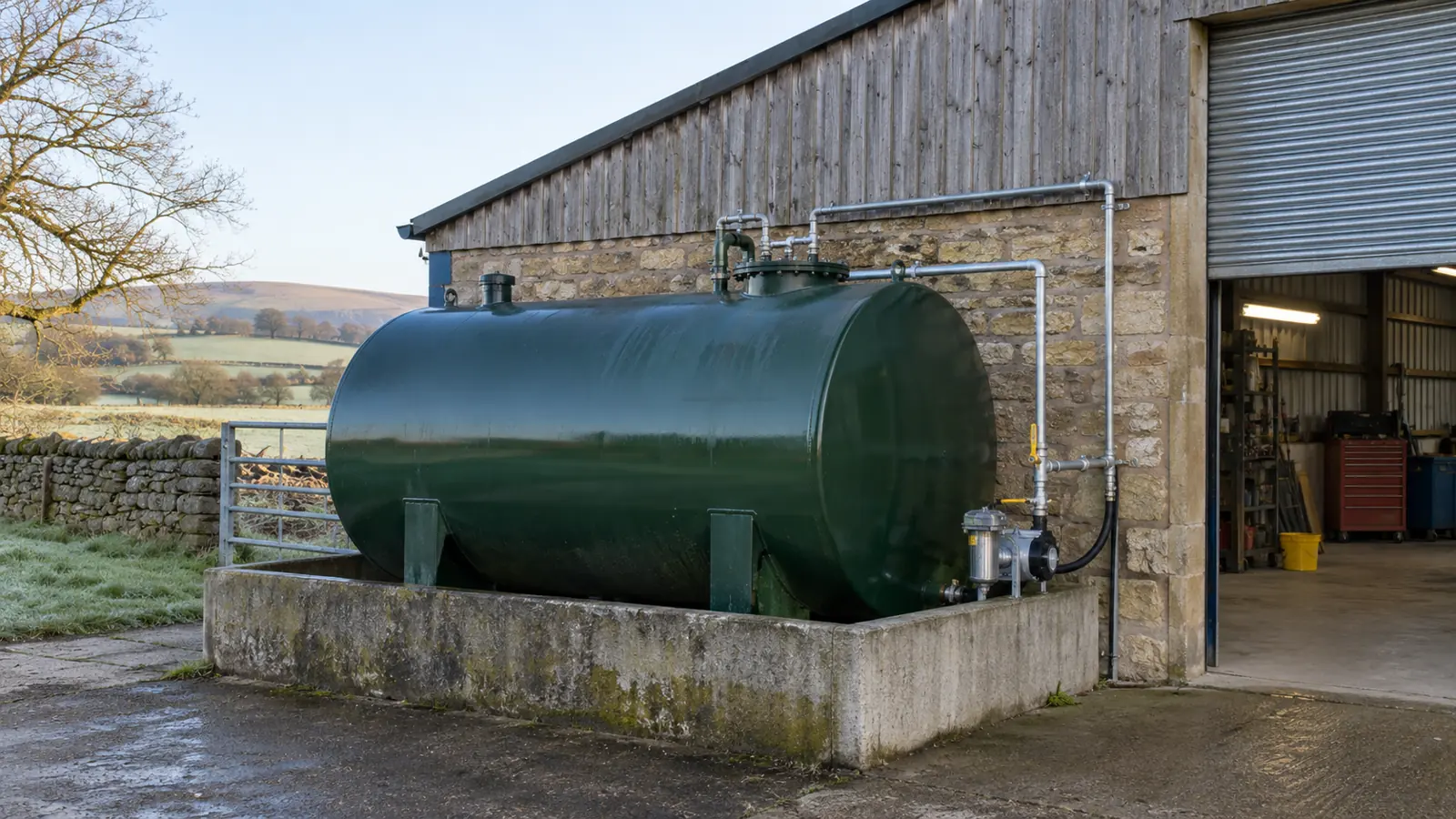
For the tank behind the farmhouse, beside the cottage or across the yard. Practical help with removal, replacement, installation and the condition of stored oil.
Find The Work You Need
Redundant storage, a heating change or space for building work. Plan the contents, disconnection and route out.
A deteriorating tank or unsuitable position. Coordinate the new store, old tank removal and fuel changeover.
New oil storage for a home or working site. Assess the position, support and supply before selecting the tank.
Water, sediment or blocked filters. Establish the cause and decide what cleaning and fuel recovery can achieve.
Buried storage and uncertain records. Compare excavation, decommissioning in place and ground investigation.
An oil smell, staining or fuel loss. Understand urgent reporting, recovery and the decisions after a leak.
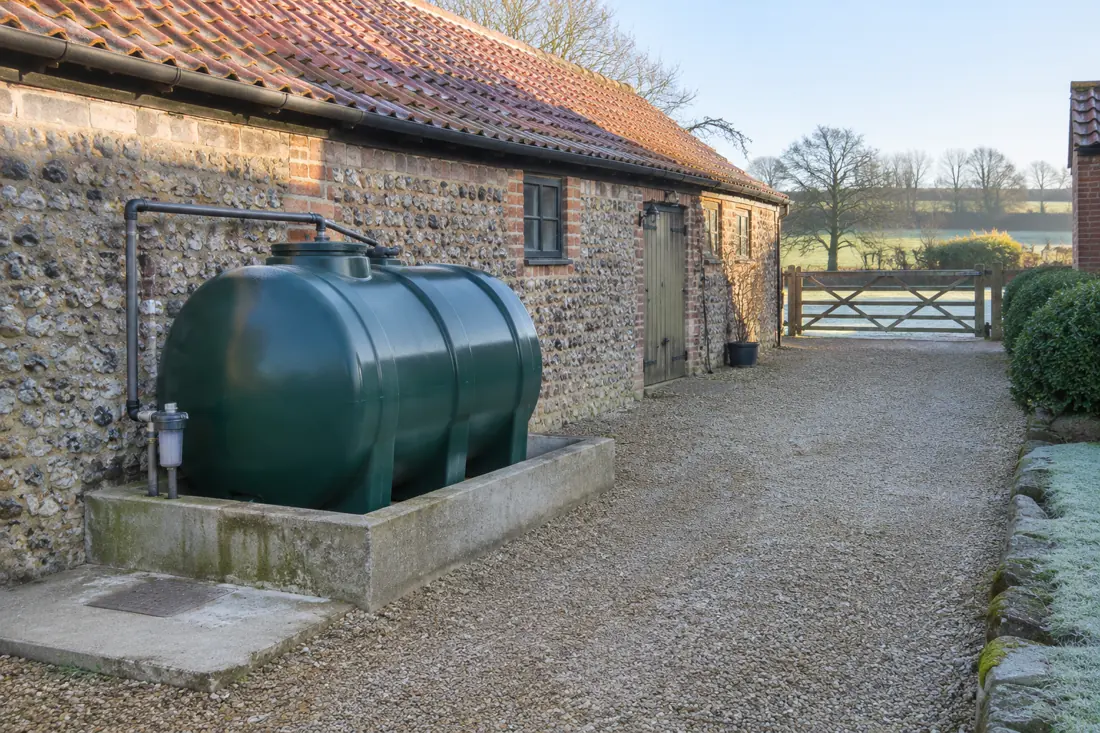
On a rural property, the tank may be easy to see and difficult to reach. A narrow gate, soft verge, sloping yard or long hose route can shape the job as much as the tank's capacity.
We start with the use, condition and access. Tell us whether the store supplies your home, farm equipment or a business, and whether you need to keep heating or operations running during the work.
Photograph the whole route from the entrance to the tank. Include turns, steps and the space where a vehicle could stand.
Before You Book
Moving away from oil heating calls for removal and a plan for leftover fuel. Keeping oil heating with an ageing tank calls for a coordinated replacement. Repeated fuel problems call for diagnosis before a clean is booked.
A buried tank or evidence of a leak brings another question: what is happening beyond the shell? Ground investigation and pollution work should be discussed separately from taking the tank away.
Send your postcode, what prompted the enquiry and the approximate tank size. Say whether oil is still being used and how much remains. Never climb onto the tank to find a label.
The details help a suitable provider assess the work and whether a visit is needed. Ask for fuel handling, access equipment, base work and any exclusions to be clear in the quotation.
Confirm the timing, supply interruption and records for the job before booking. Installation information, waste documentation and ground investigation reports answer different questions and should be kept together.
North Yorkshire's oil storage needs extend from individual heating tanks to stores serving working premises. We welcome enquiries around Harrogate, Ripon, Thirsk, Northallerton, Richmond, Skipton, Malton, Pickering, Scarborough, Whitby, Selby and Knaresborough.
A postcode helps establish practical coverage. Mention private tracks, shared entrances and seasonal access difficulties rather than assuming a road address explains the final approach.
Tank siting also needs a view beyond the immediate base. Nearby drains, ditches, wells and watercourses matter when assessing pollution risk. A more sheltered corner is not automatically a suitable new location.
Read our North Yorkshire access guide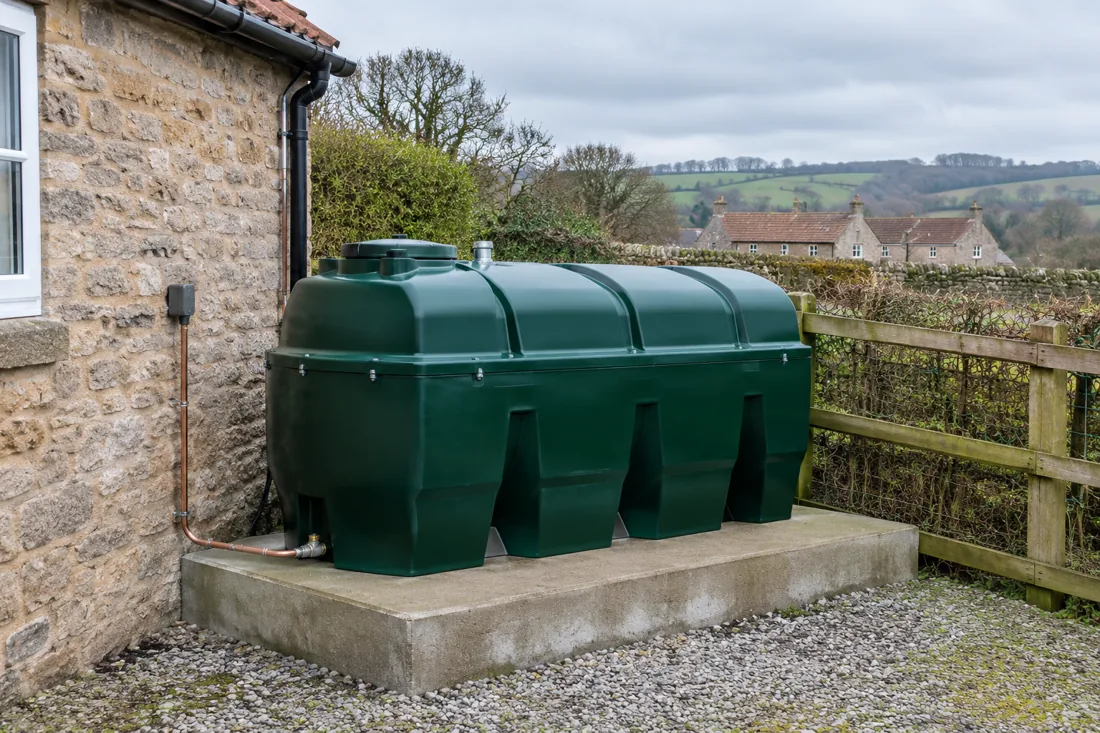
What To Expect
Our guides explain how the work is planned and what information makes an enquiry useful. Your enquiry can be shared with a suitable service provider with your agreement, so the actual contractor can assess the property, explain options and confirm a quotation.
We do not publish fixed prices because fuel volume, ground conditions, tank construction and access can change the scope. Nor should a photograph be treated as proof of compliance or a diagnosis of contamination. Where the evidence is incomplete, the next step is an assessment.
For an active leak, follow official reporting advice and contact your insurer promptly. Do not wait for a website response or attempt to wash oil away. Our leaking oil tank guide explains how to record the problem safely.
An oil tank quote starts with your postcode, the service needed and the approximate tank size and material. Describe the remaining fuel and any damage or contamination. Safe photographs of the tank, its base and the complete access route help identify whether more investigation or a site visit is needed before pricing.
Oil tank enquiries are welcome for homes, farms and commercial properties across North Yorkshire. The assessment depends on what the tank stores and supplies. A farmhouse heating tank, an agricultural fuel store and a commercial generator supply need different questions, so explain the use rather than only describing the premises.
A postcode, a description of the problem and a little access information give the enquiry a useful starting point.
For an active leak, follow the urgent reporting guidance first. This form does not provide emergency dispatch.